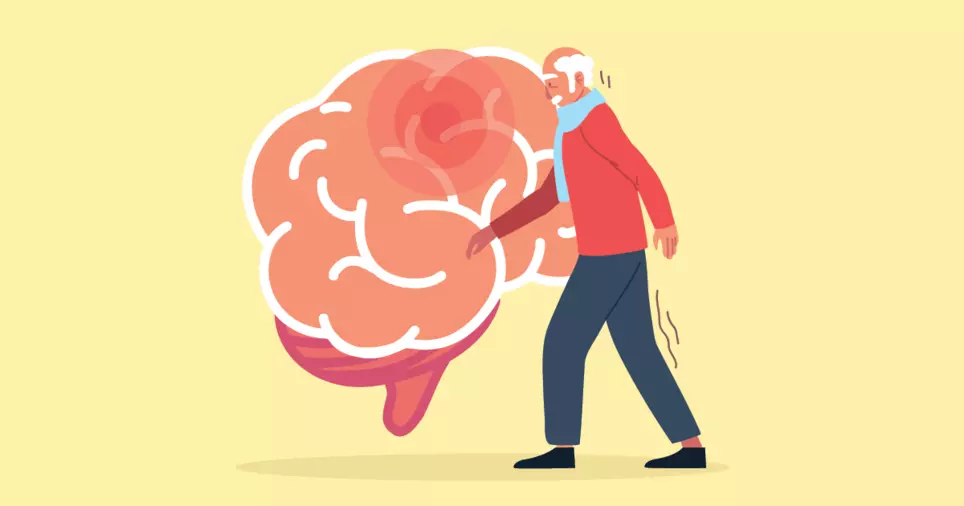
Cold weather can worsen several Parkinson's symptoms in noticeable ways.
Many people with Parkinson's experience increased stiffness in cold temperatures, particularly in their joints and muscles. A MyParkinsonsTeam member described waking up with their hand frozen closed and stiff, needing time to get their fingers Show Full Answer
Cold weather can worsen several Parkinson's symptoms in noticeable ways.
Many people with Parkinson's experience increased stiffness in cold temperatures, particularly in their joints and muscles. A MyParkinsonsTeam member described waking up with their hand frozen closed and stiff, needing time to get their fingers functioning before starting their day.
Tremors often become more pronounced in the cold. As one member shared, their right hand starts "dancing like it's at a party" after just a minute or two in cold weather.
Pain levels can also increase during colder months. Some find that stiffness in areas like the shoulder and neck leads to significant discomfort when temperatures drop.
Temperature regulation becomes especially challenging. People with Parkinson's may feel colder than others around them and struggle with uncontrolled shivering. Some describe constantly fluctuating between feeling warm and cold, unable to maintain a comfortable body temperature. These cold-weather effects happen because Parkinson's can disrupt your autonomic nervous system, which controls body temperature regulation. This dysfunction may cause problems with sweating (too much or too little), making it harder for your body to keep you warm.
Additionally, some Parkinson's medications can increase temperature sensitivity or affect sweating, especially when starting or stopping a medication.
To manage these symptoms, focus on staying warm through layering clothing, keeping your home heated, using electric blankets, and warming yourself from the inside with hot drinks and foods. Talk to your doctor about whether adjusting your Parkinson's medications might help with temperature regulation.
AI-generated responses are not a substitute for medical advice. These services are not intended to
diagnose, treat, or cure any condition or disease. Always ask your doctor about specific health concerns.

Cold Weather and Parkinson’s Symptoms
February 27








 Join
Join



 Your Privacy Choices