Powered By


I will not be able to talk, is that correct?
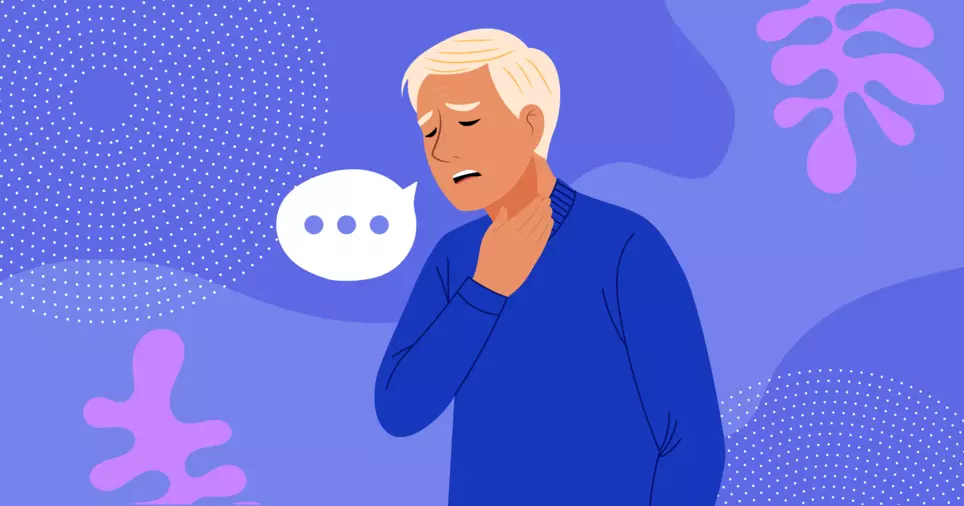
A softer, weaker, or hoarse voice can be part of Parkinson’s. The disease can affect breath support and the muscles of the mouth, throat, and voice box, just as it affects movement elsewhere in the body. Sometimes the person does not realize how quiet their voice has become.
That does not mean you will necessarily lose your ability to talk. Speech changes affect everyone differently, and therapy can often help strengthen the voice and make speech clearer. Tell your neurologist and ask for a referral to a speech-language pathologist who has experience with Parkinson’s. Programs such as LSVT LOUD and SPEAK OUT! are designed specifically for Parkinson’s-related voice problems.
Because voice changes can also have causes unrelated to Parkinson’s, your doctor may want an ear, nose, and throat specialist to examine your vocal cords, especially if the change is sudden, painful, or comes with persistent hoarseness.
Please don’t wait until people can barely hear you. The earlier you have your voice evaluated and begin working on it, the better chance you have of keeping your communication strong. Make sure you go see your doctor.

Voice and speech changes are very common with Parkinson's — between 75% and 90% of people will experience some form of speech difficulty. It can feel frustrating and isolating, but there are real ways to manage it.
Common speech changes include
- A quieter or breathier voice
- Monotone or flat-sounding speech
- Mumbling Show Full Answer




 Join
Join




 Your Privacy Choices