
Connect with others who understand.

  • Learn from expert-reviewed resources
  • Real advice from people who’ve been there
  • People who understand what you’re going through
Sign Up Log In
Powered By
Real members of MyParkinsonsTeam have posted questions and answers that support our community guidelines, and should not be taken as medical advice. Looking for the latest medically reviewed content by doctors and experts? Visit our resource section.
A MyParkinsonsTeam Member asked a question πŸ’­
Wichita, KS

My husband is in constant pain and needs a hip replacement. We know it is a fairly easy surgery. What's holding him back is his neurologist said the anesthesia could cause him to hallucinate and/or become delusional. That scares both of us.

May 4
 · 
Reactions
A MyParkinsonsTeam Member

The Parkinson's Foundation has an article on hospitalization with Parkinson's. It includes things like a letter from your neurologist, explaining the needs of someone with PD to get meds on schedule, etc. and a list of routine medications that should not be given to someone with PD.
https://www.parkinson.org/resources-support/hos...
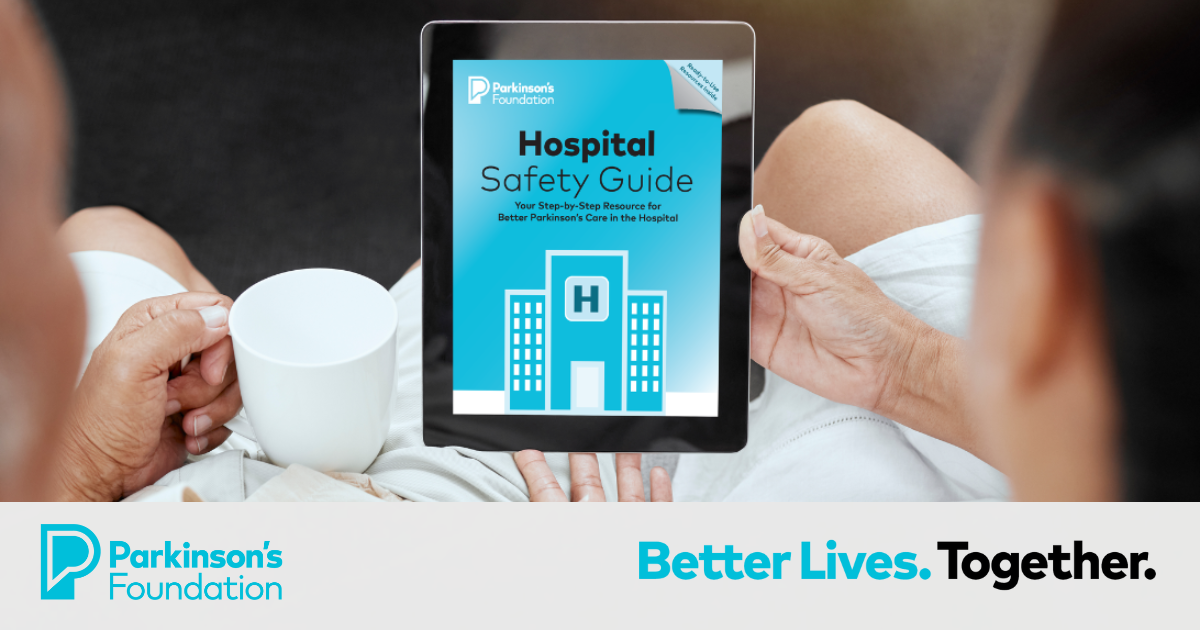
Hospital Safety Guide
May 5
A MyParkinsonsTeam Member

Thank you, Ginny. I'm going to download it. I never thought about the specifics you covered. I appreciate the link.

May 5
A MyParkinsonsTeam Member

And research all surgery prep advice, even simple surgery can be life altering for PD warriors ... I'm still not all back since hysterectomy over a year ago, but learned a lot on what I could've done better before and after surgery .... (((HUGS)))

May 5
MyParkinsonsTeam

It's completely understandable that this feels scary β€” for both of you. The concern is valid, and the neurologist is right to flag it. Anesthesia can trigger hallucinations or delusions in people with Parkinson's, and this is something the surgical and neurology teams need to plan for together carefully.

Between 20% and Show Full Answer

It's completely understandable that this feels scary β€” for both of you. The concern is valid, and the neurologist is right to flag it. Anesthesia can trigger hallucinations or delusions in people with Parkinson's, and this is something the surgical and neurology teams need to plan for together carefully.

Between 20% and 40% of people with Parkinson's experience hallucinations or delusions at some point. Anesthesia, hospital stays, and the stress of surgery can all act as triggers β€” similar to delirium, which comes on quickly and is linked to medical events rather than the disease itself. Here are some important steps to consider before moving forward:

- Have a team conversation β€” Make sure the surgeon, anesthesiologist, and neurologist are all communicating with each other about his Parkinson's
- Review his current medications β€” Some Parkinson's medications like levodopa and dopamine agonists can contribute to hallucinations, and dosing during/after surgery needs careful management
- Ask about anesthesia type β€” Some surgical teams prefer regional anesthesia (like a spinal block) over general anesthesia for Parkinson's patients when possible, to reduce cognitive side effects
- Plan for post-surgery monitoring β€” Having a familiar caregiver present during recovery can help ground someone if confusion occurs
- Know that if hallucinations do occur, they can often be managed β€” Medication adjustments after surgery can help resolve them A MyParkinsonsTeam member shared that once they sat down with the neurologist and started asking the right questions, they finally got answers and found real solutions β€” and their loved one went from nearly needing 24-hour care back to living independently.

The fear is real, but so is the hope. Going in informed and with a coordinated care team makes a big difference.

May 4

Related Questions

View All
A MyParkinsonsTeam Member asked a question πŸ’­
Huntsville, AL

A MyParkinsonsTeam Member asked a question πŸ’­
Dallas, TX

Continue with Facebook
Continue with Google
By joining, you accept our Terms of Use, and acknowledge our collection, sharing, and use of your data in accordance with our Health Data and Privacy policies.
Already a member? Log In