Powered By


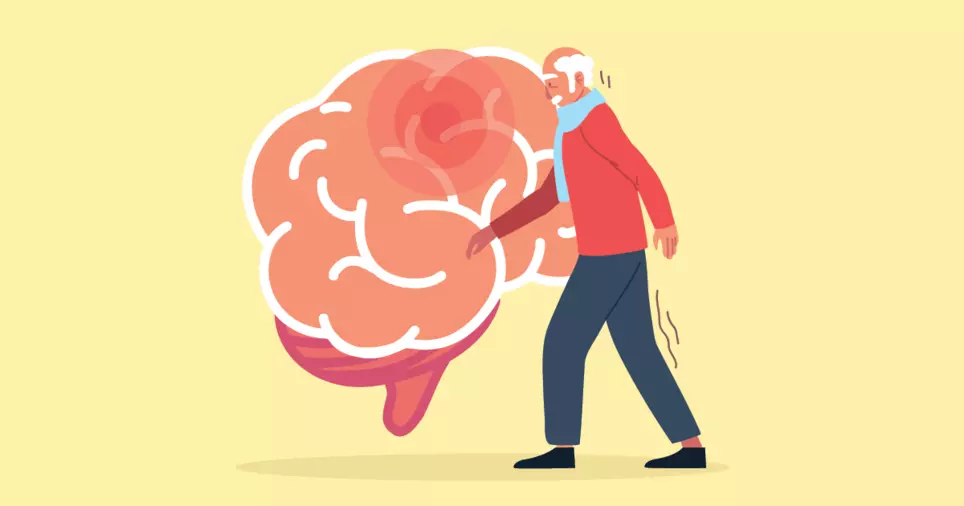
I recently read an article (in Parkinson's News Today, I think) about a test that could determine whether a person with Parkinson's is likely to get dementia. My initial reaction was that I wouldn't want to know. Would you want to know for sure that you will get dementia? How would that change your plans?
FWIW, I have a strong family history of breast cancer. I always said I would not want to get tested for the BRCCA gene. A family member (not blood related) had the gene and has had numerous… read more
Answer Summary
Members shared a range of thoughtful perspectives on whether they would want to know if they are likely to develop dementia with Parkinson's,... Read more
Ginny: Instead of taking a test that may or may not apply to you, I suggest reading and writing as ways to ward off dementia. I can't claim these habits will prevent dementia, but I credit writing and reading, especially novels, for having had something to do with still having my wits about me at age 97.
The article may have been discussing experimental blood markers called pTau217 and pTau231. Researchers found that higher levels may help predict which people with Parkinson’s are more likely to develop dementia. However, this was a small study, and the researchers said larger studies are needed. It is not yet a proven test that can tell one person that they have Parkinson’s dementia or will definitely develop it.
Doctors currently begin with a cognitive screening test such as the MoCA, which checks memory, attention, language, problem-solving, and visual-spatial ability. A low score does not diagnose dementia by itself. The doctor also considers changes in everyday functioning, medical history, medications, mood, sleep, hearing, and other health problems. More complete neuropsychological testing may take several hours and can show which areas of thinking are affected.
I would not rely on a mail-in or online dementia test. Start with your neurologist or movement-disorder specialist, who may refer you to a neuropsychologist, behavioral neurologist, or memory clinic. Blood work, brain imaging, and other tests may also be used to look for treatable problems that can resemble or worsen dementia.
At present, reading, writing, puzzles, social activity, and other mental exercises have not been proven to stop Parkinson’s dementia or prevent it from progressing. They may still help keep the mind engaged and support quality of life. Regular exercise, good sleep, treating depression, staying socially involved, managing hearing or vision problems, and controlling other health conditions are also worthwhile, but none is a guaranteed way to stop dementia.
Some medications may help thinking or daily functioning after Parkinson’s dementia is diagnosed, but they do not cure it or clearly stop the underlying disease. Definitely discuss any cognitive changes with your neurologist rather than trying to diagnose yourself. Your neurologist can arrange the right testing and explain what the results actually mean.
I have been playing ‘games’ on the internet for cognition. One is metodorf.com, Interactive Portal-Book of Sels-development Methods, and the other is memorylosstest.com ,Memory Health Check. Check them out and good luck!
I found another brain game, which will actually score your progression, it is: humanbenchmark.com.
I used to have Hepatitis C and now I don't. I've learned over time to focus with gratitude on things that I have and deal with the future when or if it arrives!!
We are all living on borrowed time so enjoy while we can!!
God Bless All You Guys!!!! 🤗🌞👍🥰🙏
No I would not like to know, I live trying to enjoy each day to it's greatest potential.
I would not appreciate knowing any additional bad news than that which I have.


 Join
Join



 Your Privacy Choices