Powered By


Answer Summary
Members asked about dementia testing and cognitive tools related to Parkinson's disease, sparking a helpful and caring conversation about... Read more
2 Corinthians 4:16-18: "Therefore we do not lose heart. Though outwardly we are wasting away, yet inwardly we are being renewed day by day.
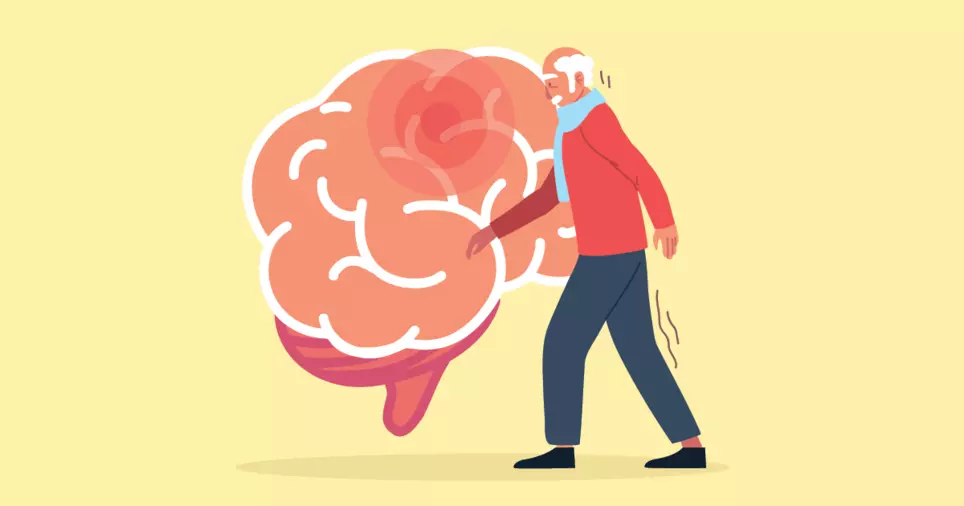
Put simply, the brain is part of our physical body, and like every other part of the body, it can become sick or damaged. But the Bible teaches that a human life is worth much more than what the body or brain can still do.
A person does not lose their value in God’s eyes because illness affects their memory, speech, thinking, or movement. Eternal life does not depend on having a healthy body or a perfectly functioning brain. It is God’s gift to us through Jesus Christ.
Christians may understand some of the details differently, but the central hope remains the same: physical illness and death do not have the final word.
I believe each person’s relationship with God is personal, and everyone must reach their own understanding through faith, prayer, and Scripture. I respect that others may see things differently, but I am comfortable with my beliefs and would like to leave the discussion here. Thank you
Cognitive Exercises and Parkinson’s
I looked into cognitive exercises and phone apps for people with Parkinson’s and parkinsonism. The APDA Missouri Chapter appears to be the clearest free place to begin. Its informational page suggests activities such as puzzles, memory-matching games, trivia, singing, card games, cooking new recipes, and strategy games.
There are also general phone apps such as NeuroNation, BrainHQ, Lumosity, and CogniFit. Constant Therapy offers cognitive, speech, and language exercises that can be used with professional guidance. A small pilot study tested NeuroNation in only 16 people with mild Parkinson’s and found it usable and potentially helpful, but that is nowhere near enough evidence to prove that it prevents dementia. The Parkinson’s Cognitive Research app from CogniFit is for research purposes and specifically says it does not diagnose or treat Parkinson’s.
The brain is not actually a muscle, but the general idea is similar: regular activity gives it something to work on. These games may exercise memory, attention, planning, language, and problem-solving. They may also provide enjoyment and keep a person mentally and socially engaged.
However, no phone app or brain game has been proven to prevent, stop, or slow dementia caused by Parkinson’s disease or parkinsonism. These are supportive activities, not medical treatment.
Cognitive changes do not always mean dementia. Poor sleep, anxiety, depression, medication side effects, low blood pressure, infection, and other medical problems can also affect thinking. Any new or sudden change should be reported to the doctor promptly. Keep the exercises enjoyable and manageable. A short session done regularly is better than pushing until the person becomes tired or frustrated, and a higher score in a game does not necessarily mean that everyday memory has improved.
The APDA Missouri Chapter can be contacted at:
Phone: (Phone number can only be seen by the question and answer creators)
Always speak with your doctor or neurologist before treating any game or app as cognitive therapy. Your neurologist may have better examples suited to your particular needs or may refer you to a neuropsychologist, occupational therapist, or speech-language pathologist. Those professionals can identify the areas that need help and recommend appropriate exercises. Do not rely on an app when you are noticing real changes in memory, judgment, speech, or thinking. Talk with your doctor.
@A MyParkinsonsTeam Member, If I can find it again, I'll gladly repost it. I also posted a video just yesterday about how any activity helps by increasing neuroplasticity. The video explains what that is.
Don't know . my brain is on vacation.

 Continue with Facebook
Continue with Email
Continue with Facebook
Continue with Email

 Join
Join




 Your Privacy Choices