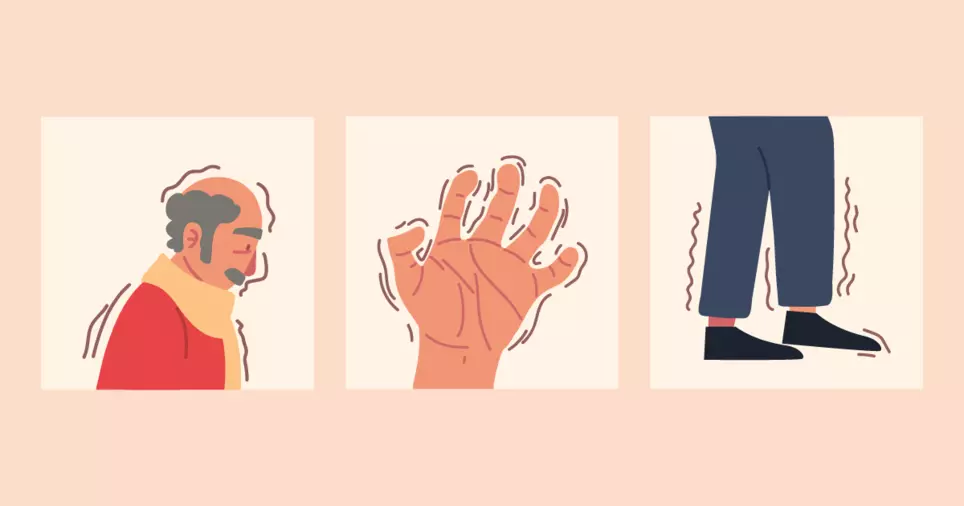
The key difference is the timing and progression of symptoms. In Parkinson's disease without dementia, people primarily experience movement-related symptoms like tremors, rigid muscles, and shuffling walk. Not everyone with Parkinson's will develop cognitive decline.
When Parkinson's includes dementia (PDD), the movement Show Full Answer
The key difference is the timing and progression of symptoms. In Parkinson's disease without dementia, people primarily experience movement-related symptoms like tremors, rigid muscles, and shuffling walk. Not everyone with Parkinson's will develop cognitive decline.
When Parkinson's includes dementia (PDD), the movement symptoms appear first, followed later by cognitive changes. Common symptoms that may develop include:
• Visual hallucinations
• Memory loss and confusion
• Sleep difficulties, especially REM sleep behavior disorder
• Emotional changes like depression and anxiety Treatment approaches often include both medication and non-medication options. Non-medical treatments that can help improve quality of life include:
• Cognitive behavioral therapy
• Physical exercise and physical therapy
• Music therapy
• Transcranial direct current stimulation
It's important to work closely with healthcare providers to develop an appropriate treatment plan, as people with Lewy body disorders can be very sensitive to certain medications, particularly sedatives.
September 16, 2025






 Continue with Facebook
Continue with Email
Continue with Facebook
Continue with Email

 Join
Join






 Your Privacy Choices