REM sleep behavior disorder (RBD) is one of the most common sleep-related challenges with Parkinson's, affecting more than 50% of people living with the condition. During RBD, the normal "paralysis" that keeps your body still during dreaming doesn't work properly, so you can physically act out your dreams — talking Show Full Answer
REM sleep behavior disorder (RBD) is one of the most common sleep-related challenges with Parkinson's, affecting more than 50% of people living with the condition. During RBD, the normal "paralysis" that keeps your body still during dreaming doesn't work properly, so you can physically act out your dreams — talking, yelling, hitting, or making sudden movements.
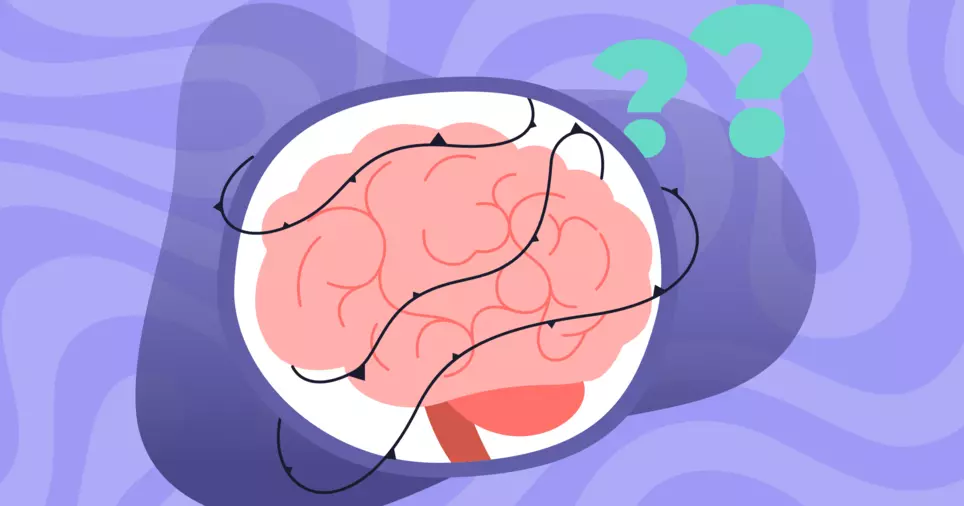
What makes RBD particularly notable is that it often appears years before a Parkinson's diagnosis is even made. Researchers believe it's connected to how Parkinson's affects specific areas of the brain, particularly the brainstem, which normally helps regulate sleep cycles. As for causes, research has linked RBD in Parkinson's to changes in dopamine and norepinephrine levels in the brain, as well as the presence of Parkinson's-related changes in the brainstem. It has also been associated with more significant cognitive changes over time, which is why neurologists take it seriously as a symptom to monitor. Your use of a trained therapy dog is a genuinely creative and loving solution — and the bond you've described is really special. That said, it's completely understandable to think ahead as both of you age. Here are some things worth discussing with your neurologist or care team:
- Medication adjustments — Some medications can help reduce RBD episodes and the movements associated with them
- Deep brain stimulation (DBS) — In some cases, this has shown benefits for sleep-related symptoms
- Environmental safety modifications — Bed rails, floor padding, or moving furniture away from the bed can reduce injury risk
- A new or additional trained dog — Some therapy dog organizations can help with transitions, including introducing a younger dog while your current companion is still active
It may also be worth exploring whether a younger therapy dog could be introduced now, while your current dog can still help with the transition. That way, the new dog learns from the best.
3 days ago








 Join
Join





 Your Privacy Choices