
Powered By



When many people think about Parkinson’s disease symptoms, they picture tremors. Members of MyParkinsonsTeam know the condition is far more complex. Parkinson’s can affect sleep, mood, thinking, digestion, and balance.
In an ongoing MyParkinsonsTeam discussion, members have shared nearly 600 answers about the symptoms that caught them off guard. Their experiences show how Parkinson’s shapes everyday life far beyond tremors or stiffness.
Here are six unexpected Parkinson’s symptoms, described in MyParkinsonsTeam members’ own words.
Balance issues were one of the most commonly mentioned surprises for people living with Parkinson’s. Even mild balance changes can appear early and may intensify over time. For many, the fear of falling can lead them to avoid activities they once enjoyed.
One MyParkinsonsTeam member shared, “Balance is now bad. It feels like the earth is moving under my feet.”

For some, falls became frequent: “I went through a period of 10 days a while back when I fell 15 times.”
Learn 6 Tips To Prevent Falling With Parkinson’s.
Parkinson’s affects regions of the brain that help regulate movements and maintain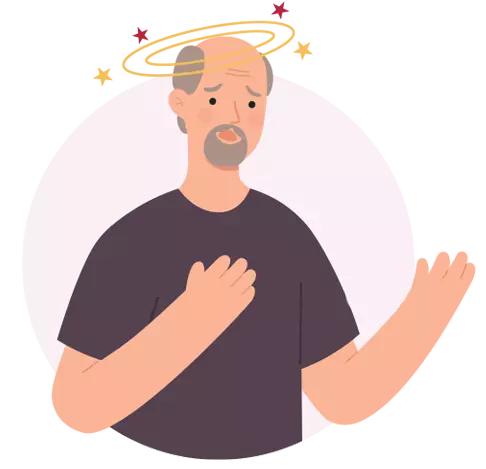 balance. As dopamine-producing neurons deteriorate, the brain loses control over automatic movements, including the small, stabilizing actions that help you stay upright. Postural instability (trouble maintaining upright posture and balance) typically develops later in the disease and increases fall risk.
Many MyParkinsonsTeam members said Parkinson’s fatigue was far more intense than they anticipated and not relieved by rest. “Very tired all the time. I would like to stay in bed all day long,” one member shared.
Another explained, “I figured I was not able to move as fast as I used to, but I never thought about the fatigue that would take over my body.”
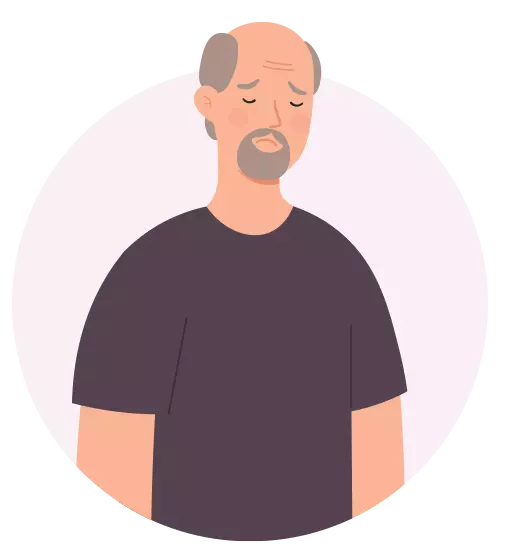 Fatigue in Parkinson’s stems from multiple sources. The loss of dopamine disrupts motor control, so every movement requires more conscious effort and extra energy. Damage to nerve cells that make norepinephrine, a chemical that helps control alertness and stress, may also cause extreme tiredness. Sleep disturbances, depression, and side effects from medication can further worsen fatigue. Because so many factors are involved, your doctor may suggest a multistep approach to managing fatigue.
Sleep problems came up again and again in member conversations. Poor sleep can make daytime symptoms feel even harder.
“My husband finds the insomnia the hardest to deal with. He can’t sleep for over 48 hours,” one MyParkinsonsTeam member shared.
Some described a flipped sleep cycle: “Nodding off to sleep most of my waking hours, then wide awake at night.”
Sleep disturbances in Parkinson’s may be due to changes in the brain’s chemical balance, especially dopamine and norepinephrine. Parkinson’s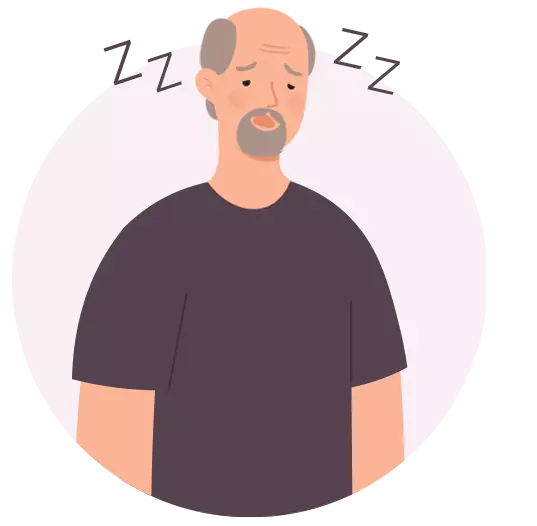 also affects brain regions that regulate the sleep-wake cycle. This can lead to fragmented or restless sleep. REM sleep behavior disorder (acting out dreams) is another common and early symptom, which can appear years before movement symptoms. Medications, pain, and anxiety can make it harder to get restorative sleep.
Cognitive changes (those relating to thinking, memory, or executive function) are deeply frustrating for many members.
“Not just the cognitive impairment, but the executive function dysfunction — getting an initiative started and keeping on task,” one person explained.
Another MyParkinsonsTeam member shared that they have a loss of short-term memory, and a third said simply, “I cannot multitask.”
Parkinson’s disease can lead to a gradual loss of brain cells 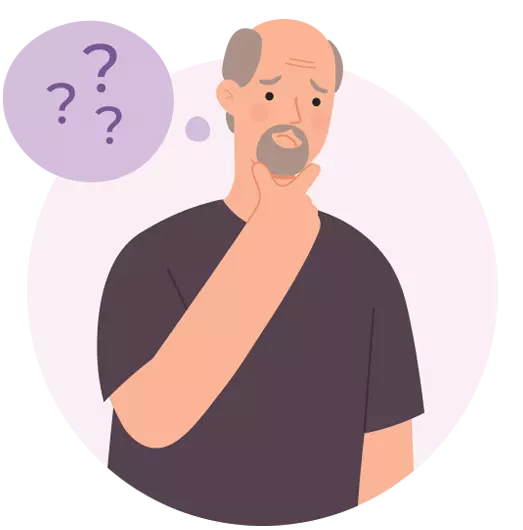 beyond the motor centers, including areas that handle memory, attention, and planning. Cognitive changes are linked to the spread of alpha-synuclein protein clumps (Lewy bodies) and the loss of dopamine and other neurotransmitters (chemical messengers) involved in thinking. These changes can worsen over time, especially in later stages. However, the pace of change varies widely from person to person.
Many members said anxiety, sometimes severe, was one of the most unexpected parts of Parkinson’s. “Anxiety. I worry about everything. House will be burgled, car stolen, children will be in a fight,” one member shared.
Another MyParkinsonsTeam member described constant mental noise: “Nighttime random thoughts, fears, anxiety. … Worry about everything in the world, much of it out of my control.”
Emotional regulation can also shift, as one member explained: “The totally unplanned and sometimes violent explosions of anger and/or extreme frustration.”
Parkinson’s disrupts the brain’s ability to regulate mood and emotions. The same dopamine deficiency that causes movement problems also affects areas involved in anxiety and fear responses, including the amygdala and prefrontal cortex. Reduced levels of serotonin and norepinephrine may also contribute. These chemicals play key roles in mood stability. In some cases, anxiety worsens during “off” periods when medication wears off.
Constipation and blood pressure changes were frequent surprises that affected quality of life.
“I also struggle with constipation, so I take MiraLAX every day in the evening and two Dulcolax soft gels in the morning with coffee and it helps. Not perfect but does help,” one MyParkinsonsTeam member shared.
Low blood pressure can cause dizziness and increase the risk of falls. “I have low blood pressure and become very dizzy when I get up too fast,” one member said.
 Parkinson’s affects the autonomic nervous system, the part of the body that controls involuntary functions like digestion and blood pressure. Loss of nerve endings that produce norepinephrine can disrupt these systems, leading to constipation, gastroparesis (slow stomach emptying), and orthostatic hypotension (a sharp drop in blood pressure upon standing). These symptoms may occur early and worsen with progression.
Parkinson’s affects far more than movement alone. As these MyParkinsonsTeam members show, symptoms like fatigue, anxiety, sleep problems, balance issues, and cognitive changes can be just as disruptive.
If you’re experiencing symptoms you didn’t expect, you’re not alone. Tracking what you notice and sharing it with your healthcare provider can help you get the support you need.
On MyParkinsonsTeam, people share their experiences with Parkinson’s disease, get advice, and find support from others who understand.
Have you had any surprising symptoms of Parkinson’s? Let others know in the comments below.
Get updates directly to your inbox.


What is sundowners and how can it be avoided? My husband has it daily and becomes aggressive and very anxious in the evening.



 Continue with Facebook
Continue with Email
Continue with Facebook
Continue with Email
Continue with Facebook
Continue with Email
Continue with Facebook
Continue with Email
Become a member to get even more





 Join
Join



 Your Privacy Choices

This is a member-feature!
Sign up for free to view article comments.
My husband had hallucinations and a raging temper. Will he become dangerous and what should I do to protect myself?
We'd love to hear from you! Please share your name and email to post and read comments.
You'll also get the latest articles directly to your inbox.